Nurturing Little Eaters: A Guide to Healthy Child Nutrition
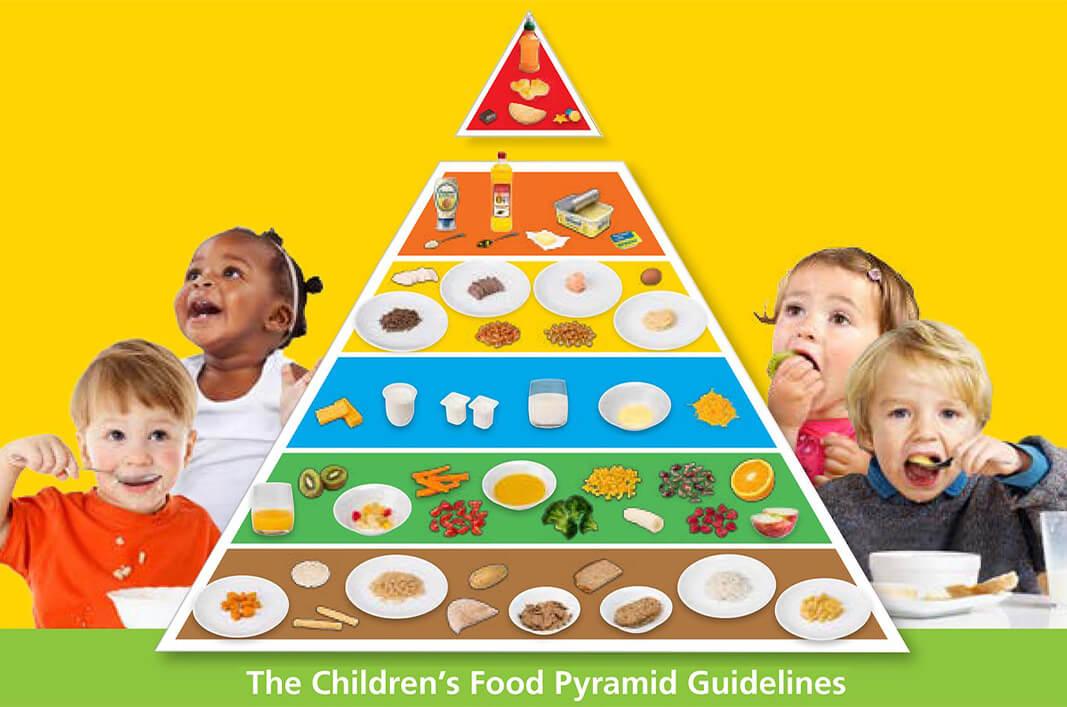
Although feeding your child can be a joyful experience, it can also cause anxiety and confusion. It's simple to feel overloaded with the abundance of information available. This blog article will discuss the value of a nutritious diet for kids, offer helpful advice, and answer frequently asked questions.
Their diet greatly influences the growth, development, and general health of a child. It boosts their cognitive capacities and gives their bodies the fuel they need to operate at their best. A healthy diet can be beneficial to
- Encourage physical growth: Healthy bones, muscles, and teeth require a sufficient supply of nutrients.
- To promote brain growth: a child's learning, memory, and concentration can all be improved with a nutritious diet.
- Boost immunity: A healthy youngster has a stronger immune system and can fend off infections and illnesses.
- Prevent chronic health conditions: Eating a healthy diet lowers the chance of developing diabetes, heart disease, obesity, and other disorders later in life.
Tips for a Nutritious Child Diet
- Promote Diversity: To make sure your child has a balanced diet, provide a variety of meals from all food groups. Add dairy products, fruits, veggies, whole grains, and lean proteins.
- Make It Enjoyable: Include your kids in the planning and preparation of meals. Allow them to assist with recipe selection, table setting, or entertaining food presentations.
- Eat Fewer Processed Foods: Limit your use of sugar-filled beverages, salty snacks, and processed foods, which are frequently heavy in sodium, harmful fats, and artificial additives.
- Set an Example: Youngsters learn knowledge through observation. They are more likely to follow your example if you eat healthily themselves.
- Pay Attention to Your Child's Signals of Hungry: Refrain from making your child eat when they are not hungry. When they're satisfied, let them decide.
- Include Your Kids in Meal Planning: Allow them to assist with selecting recipes, arranging the table, or making creative food displays.
- Limit Screen Time: Too much screen time might result in poor dietary choices and less exercise. Encourage your kids to play outside more often.
- Speak with a paediatrician or registered dietitian: If you're worried about your child's diet, get in touch with a medical expert who can offer you individualised advice.
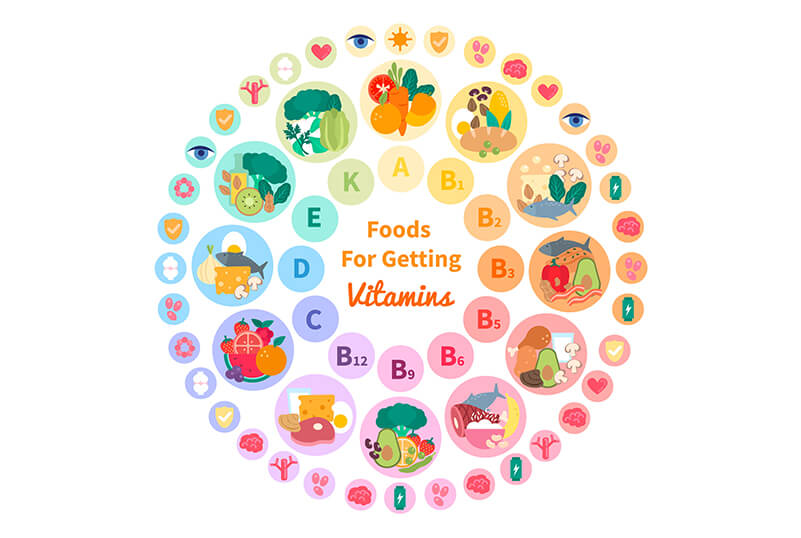
Addressing Common Concerns:
- Be patient and offer a variety of items to satisfy picky eaters: Don't make eating stressful. Introduce new foods to your child gradually and allow them to experiment with flavours.
- Food Allergies: See a paediatrician if you think your child may have a food allergy. There are lots of wholesome and safe substitutes out there.
- Obesity: Create a healthy diet and exercise regimen in collaboration with your paediatrician. Promote physical exercise and cut out on unhealthy meals and beverages.
- Undernutrition: See a medical expert if you have concerns about your child's development or growth. They can determine the dietary requirements of your child and suggest suitable courses of action.
A child's general health depends on having a healthy diet. Filaantro along with Child Help Foundation hopes by implementing these suggestions and attending to typical worries, you may help your child cultivate a lifelong passion for eating healthily and position them for success in the future. Recall that minor adjustments can have a significant impact!
AUTHOR: ATHIRA PRADEEP NAIR
Ready to Start a Fundraiser ?